
If AI Can Build a Website in Minutes, Why Do Businesses Still Hire Web Designers?
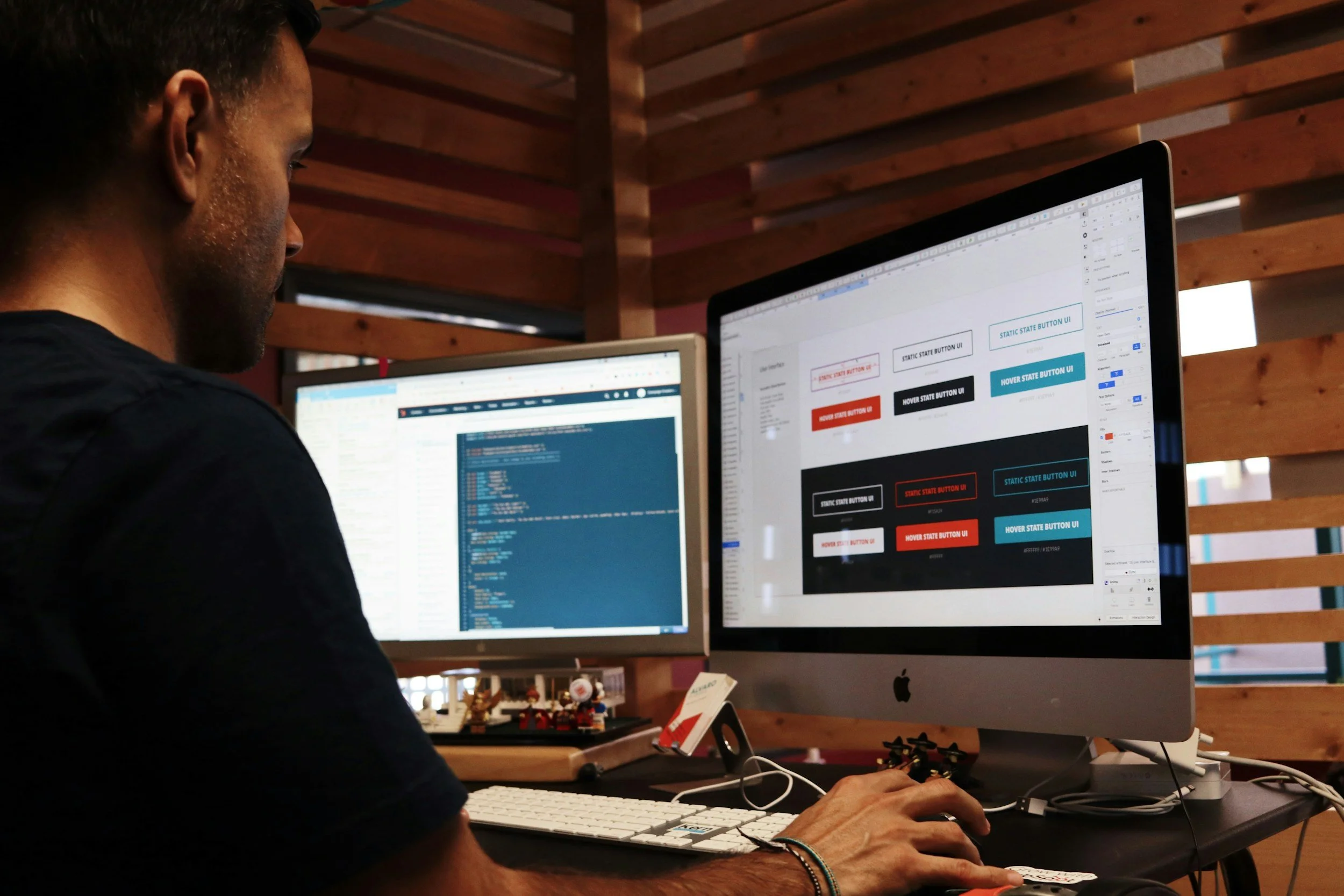
Artificial intelligence has made website creation faster than ever.
Today, tools like Wix AI, Squarespace AI, and other AI website builders can generate a website layout in just a few minutes. With a few prompts, these tools can create pages, images, and text automatically.
Because of this, many business owners are asking the same question:
If AI can build a website so quickly, why would anyone still pay someone to build one?
It’s a fair question.
But the honest answer is this:
AI can generate a website.
But building the right website for a business still requires human thinking.
There is a big difference between a website that simply exists and a website that actually supports a business.
AI Is a Powerful Tool… But It’s Still Just a Tool
AI website builders are impressive and useful tools. They make it easier than ever for businesses to get online quickly.
For some situations, they are perfectly adequate.
For example:
creating a quick landing page
testing a new business idea
building a temporary site
creating a simple personal page
But once a business needs a website that truly supports its operations, marketing, and customer journey, the process becomes much more complex.
A real business website is not just a design.
It is a system that connects messaging, functionality, integrations, performance, and customer experience.
AI can generate layouts.
But it does not understand the deeper context behind a business.
The Difference Between “A Website” and “A Business Website”
Many people think a website is simply a digital brochure.
In reality, a business website should:
clearly explain what the business offers
communicate who the service is for
build trust with visitors
guide users toward a clear next step (booking, purchase, inquiry)
integrate with tools that support the business
Those decisions require understanding how the business operates.
AI can create pages, but it does not truly understand the business behind them.
The Part People Don’t See: The Real Work Behind a Website
One of the biggest misconceptions about website creation is that the work ends once the pages are generated.
In reality, generating the structure is only the starting point.
Before a website can launch, someone typically needs to:
review every page for clarity and accuracy
correct messaging so it reflects the business properly
test all buttons, links, and navigation
ensure the site works correctly on mobile devices
adjust spacing, fonts, and layout hierarchy
verify that forms send information properly
optimize images so the website loads quickly
check that the site flows logically for visitors
A website may appear finished visually, but a lot of adjustments and testing often happen behind the scenes before it is truly ready.
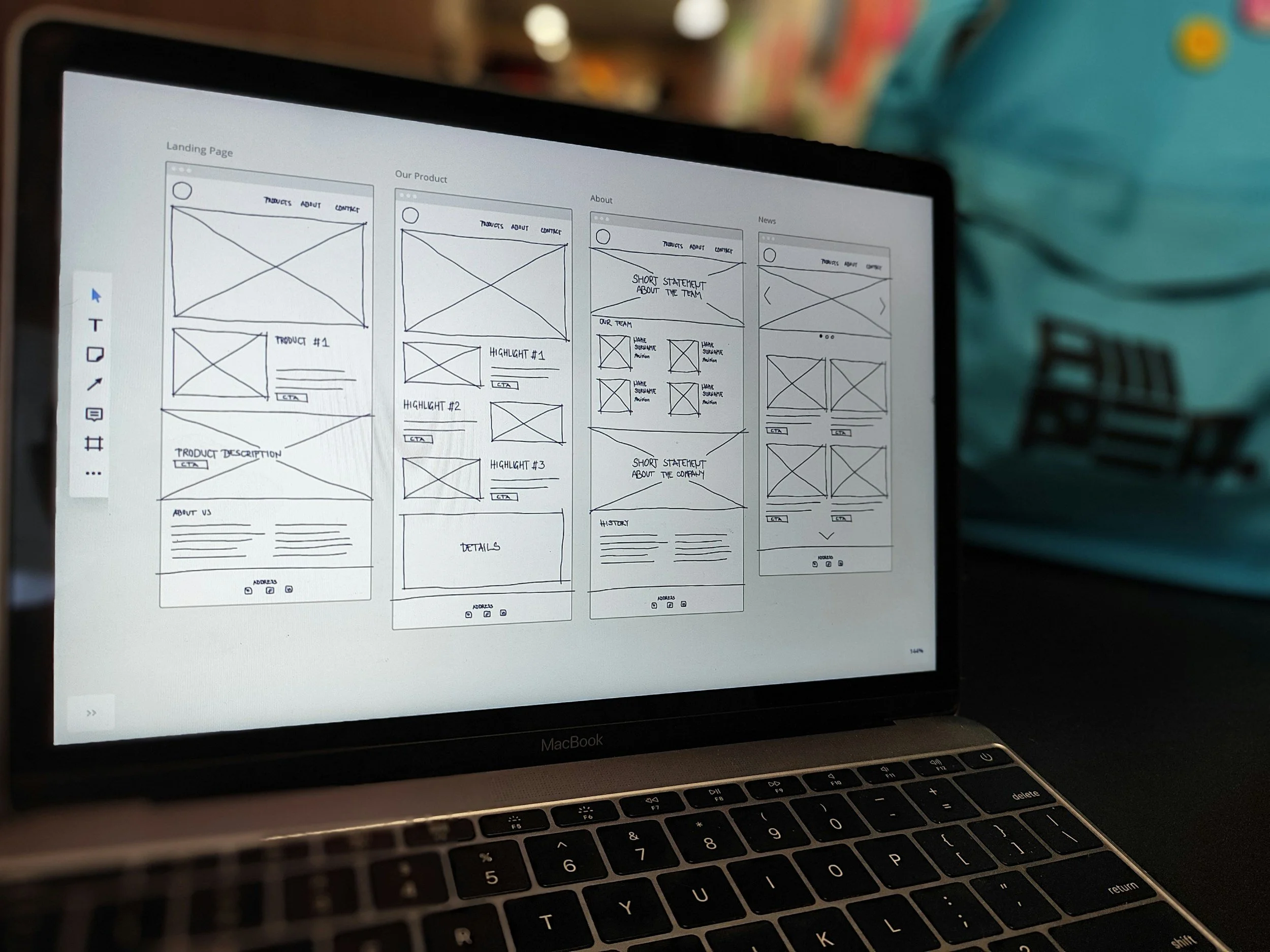
A Modern Website Is Not Just Pages; It’s a System
Most business websites today require much more than text and images.
They often include functionality such as:
customized forms that collect specific information
booking systems for appointments or consultations
payment gateways like Stripe or PayPal
email marketing integrations
CRM connections to manage leads
analytics tools that track website performance
Many businesses also need automation, such as:
automatic confirmation emails after form submissions
reminders for booked appointments
onboarding emails for new clients
lead tracking and organization
These elements must be configured properly so that the website supports the business workflow.
AI can generate a form, but designing how that form connects to real business processes usually requires human setup and testing.
Performance Matters More Than Most People Realize
Another common issue with DIY or AI-generated websites is performance.
If images are too large or sections are poorly optimized, the website may load slowly, especially on mobile devices.
A slow website can affect user experience and reduce the likelihood that visitors stay on the page.
Professionals often adjust things such as:
image compression and sizing
layout efficiency
page loading behavior
unnecessary scripts or heavy elements
These technical adjustments help ensure the website performs well across different devices.
The Back-and-Forth That Makes a Website Right
Another reality of website development is that projects evolve.
Clients often refine their ideas once they begin seeing the website take shape.
For example:
the messaging may change
the brand colors may be adjusted
new services may be added
sections may need to be reorganized
This back-and-forth is a normal and valuable part of the process.
It allows the website to evolve into something that truly represents the business.
AI tools do not participate in this collaborative process.
A human builder listens, interprets, and adjusts the website accordingly.
Human Understanding Still Matters
One important limitation of AI tools is interpreting intent.
A client might say something simple like:
“Can we move this section slightly higher and make the button more visible?”
A human understands the intention behind that request.
AI tools sometimes interpret instructions incorrectly or too literally, which can lead to unexpected changes across an entire layout.
Humans also notice things clients may not explicitly say.
For example:
identifying where messaging is unclear
suggesting improvements to structure
recommending features the client may not have considered
helping align the website with the client’s goals and budget
These insights often come from experience working with different businesses.
Choosing the Right Platform and Scope

Another role professionals play is helping determine what type of website the business actually needs.
Some businesses need simple websites.
Others require more complex platforms with multiple pages, integrations, or automation systems.
A professional can help determine:
which platform is most appropriate
which features are truly necessary
what can be simplified to avoid unnecessary complexity
Without guidance, it is easy for businesses to create websites that are either too limited or unnecessarily complicated.
Common Mistakes I Often See in AI or DIY Websites
AI builders are powerful tools, but many automated websites share similar problems.
Some common issues include:
Generic messaging
The website sounds professional but does not clearly explain what the business does.
Too many unnecessary sections
Templates often include decorative elements that distract from the main message.
Poor mobile experience
Layouts that look good on desktop may break or feel awkward on smaller screens.
Slow loading speed
Large images or heavy layouts can slow down the website significantly.
No clear call-to-action
Visitors do not know what step they should take next.
A website should not only look nice — it should guide visitors toward meaningful action.
When AI May Be Enough VS. When Hiring a Professional Helps
AI tools can absolutely be useful depending on the situation.
AI may be sufficient if:
you need a very simple one-page website
you are testing a new idea
you are comfortable adjusting layouts and content yourself
However, hiring a professional may make more sense if:
your business depends on online leads or bookings
you need integrations with other systems
you want the website to support long-term growth
you prefer focusing on running your business instead of learning website tools
For many businesses, working with someone experienced simply saves time and avoids unnecessary trial and error.
What Clients Are Really Paying For
When businesses hire someone to build a website, they are not paying someone simply to place images and text on a page.
They are investing in:
experience and judgment
strategic thinking
technical implementation
revisions and collaboration
troubleshooting unexpected issues
testing and optimization
guidance throughout the process
AI can help accelerate parts of the work.
But the thinking behind how the website functions and supports the business still comes from human expertise.

How AIMOPS Approaches Website Building
At AIMOPS, modern tools — including AI — are used when they help improve efficiency.
Technology can speed up certain steps.
But what truly matters is how the website supports the business behind it.
Our focus is on:
clear messaging
practical functionality
performance and usability
systems that support real business workflows
AI can generate a starting point.
Humans refine, test, and structure the final result so the website actually works.
Bottom line
AI website builders are powerful and will continue to improve.
They are excellent tools for creating quick drafts and helping businesses get online faster.
But building a website that truly supports a business requires more than generating pages.
It requires understanding people, goals, messaging, systems, and customer experience.
That is where human expertise still makes a difference.
Thinking about building a website for your business ?
AI tools can absolutely be a helpful starting point. But if your goal is to create a website that clearly communicates your services, supports your operations, and helps convert visitors into clients, working with someone experienced can make the process significantly smoother.
At AIMOPS, the goal is not simply to “build a website,” but to create a site that actually supports the way your business works, from messaging and structure to functionality and integrations.
👉 learn more about how AIMOPS approaches website development and strategy
Sources and References
AI Website Builders vs Traditional Website Development Explains the differences between AI-generated websites and strategic website development.https://blog.hubspot.com/website/ai-vs-traditional-website-buildersAI Website Builders: What They Can and Cannot Do Overview of AI tools used in website creation and their limitations.https://www.shopify.com/blog/ai-website-builderAI Website Design vs Professional Web Designers Discusses the advantages and limitations of AI website builders compared to human designers.https://seahawkmedia.com/compare/ai-in-website-design-vs-professional-web-designers/Will Web Designers Still Be Needed in the Future? Industry perspective on the continued importance of web designers in the AI era.https://raidboxes.io/en/blog/web-design-development/web-designers-future/AI vs Human Website Design Analysis comparing automated website builders and professional website development.https://www.cswebsolutions.ca/blog/ai-vs-human-website-design-2025/Pros and Cons of AI Website Builders Explains where AI tools are helpful and where professional expertise is still needed.https://www.newperspectivestudio.co.za/the-pros-and-cons-of-using-an-ai-website-builder-to-build-your-website/